Top Operational Challenges Furniture Retailers Face and How an ERP System Solves Them
Understanding the Operational Realities of Furniture Retail and the Role of a Furniture ERP System
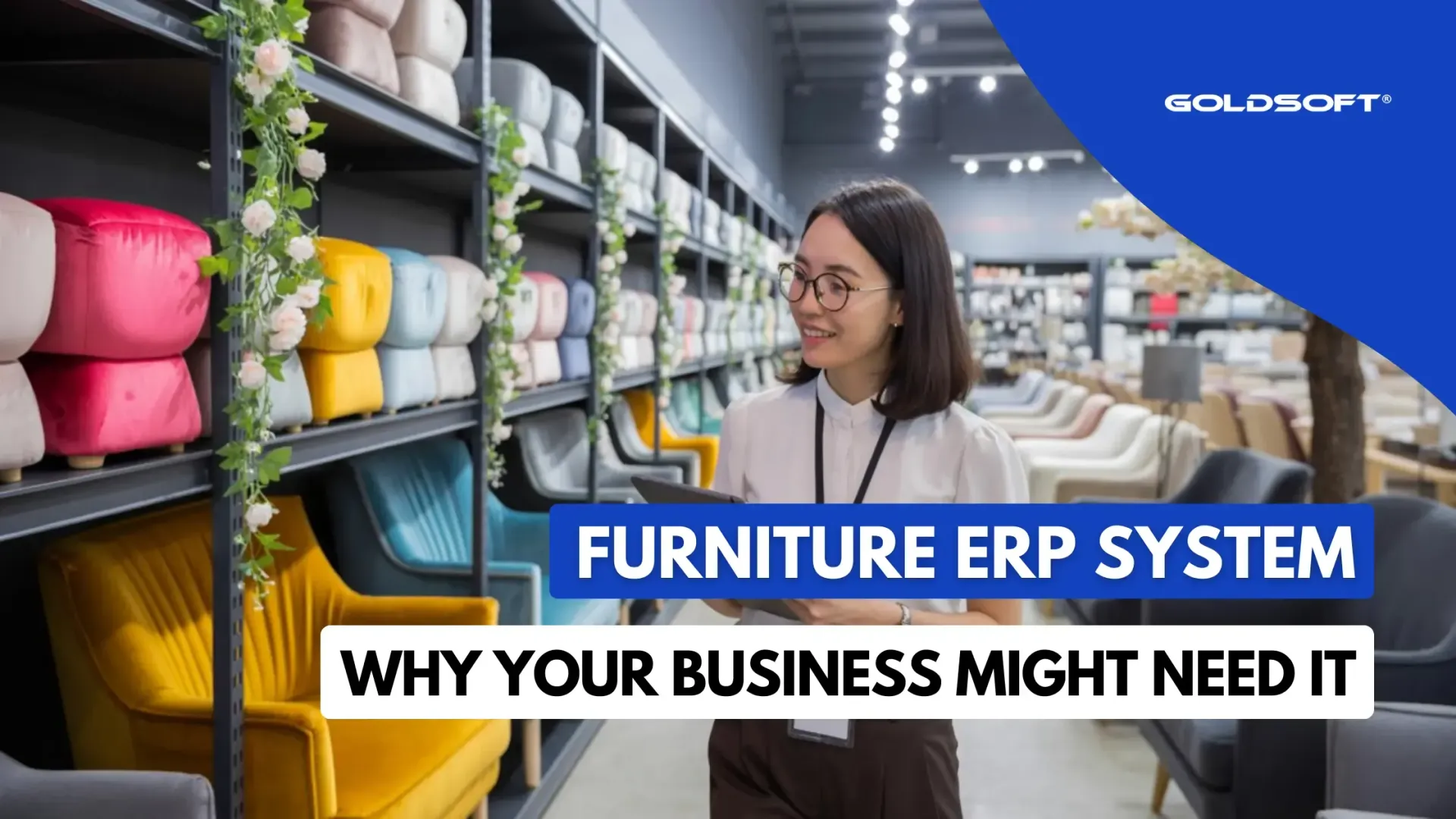
Furniture retail is very different from other types of retail. Unlike fast-moving consumer goods, furniture items are bulky, high-value, and often come with multiple variants such as size, material, color, and design. As a furniture business grows, managing daily operations using manual processes, spreadsheets, or basic POS systems becomes increasingly inefficient.
This is where an ERP system becomes essential. A well-designed ERP system helps furniture retailers centralize operations, improve visibility, and maintain control as the business scales.
Below are the most common operational challenges furniture retailers face and how the Goldsoft ERP system helps address them.
1. Managing Complex Inventory and Product Variants
Inventory management is one of the biggest challenges for furniture retailers. A single product may come in different sizes, colors, fabrics, or finishes. On top of that, furniture items are often slow-moving and take up significant warehouse and showroom space.
Many retailers struggle with inaccurate stock records, duplicated SKUs, and difficulty tracking which variants are available in each branch or warehouse. This often leads to overselling, stock shortages, or excess inventory that ties up cash flow.
How the Goldsoft ERP system helps
The Goldsoft ERP system centralizes inventory data across all locations in real time. Each furniture item and its variants can be managed under a structured product master, allowing retailers to track exact quantities by branch, warehouse, or showroom.
With Goldsoft ERP-driven stock control, businesses can:
- Monitor stock levels accurately across multiple locations
- Track slow-moving and fast-moving items
- Reduce manual stock adjustments and errors
- Plan restocking and purchasing more effectively
For furniture retailers, this level of visibility is critical for improving stock turnover and reducing holding costs.
2. Handling Consignment Sales and Supplier Tracking
Consignment is common in the furniture industry, especially for retailers working with multiple suppliers or designers. However, managing consignment manually is risky. Many businesses lose track of which items belong to which supplier, how many units have been sold, and what commission or settlement is required.
Without proper tracking, disputes with suppliers can occur, and financial reporting becomes inaccurate.
How the Goldsoft ERP system helps
The Goldsoft ERP system includes consignment management capabilities that allow furniture retailers to clearly separate owned stock from consignment stock. Each transaction is recorded against the correct supplier, making sales tracking and settlement more transparent.
Using the Goldsoft ERP system, retailers can:
- Track consignment stock by supplier and location
- Record sales accurately for commission calculation
- Generate clear reports for supplier reconciliation
- Reduce disputes and manual record-keeping
This creates better trust between retailers and suppliers while improving financial accuracy.
3. Fragmented Operations Between Sales, Accounting, and Reporting
Many furniture retailers rely on separate systems for POS, accounting, inventory, and reporting. While this may work initially, it quickly creates data silos as the business grows. Sales figures may not match accounting records, inventory reports may be outdated, and management may lack a clear overview of business performance.
This fragmentation slows down decision-making and increases the risk of human error.
How the Goldsoft ERP system helps
The Goldsoft ERP system integrates sales, inventory, accounting, and reporting into a single platform. Every transaction flows automatically across modules, ensuring data consistency and accuracy.
With the Goldsoft ERP system, furniture retailers can:
- View real-time sales and inventory data
- Generate accurate financial and operational reports
- Reduce duplicate data entry across systems
- Make faster, data-driven business decisions
For management teams, this unified view is essential for controlling costs, identifying trends, and planning future growth.
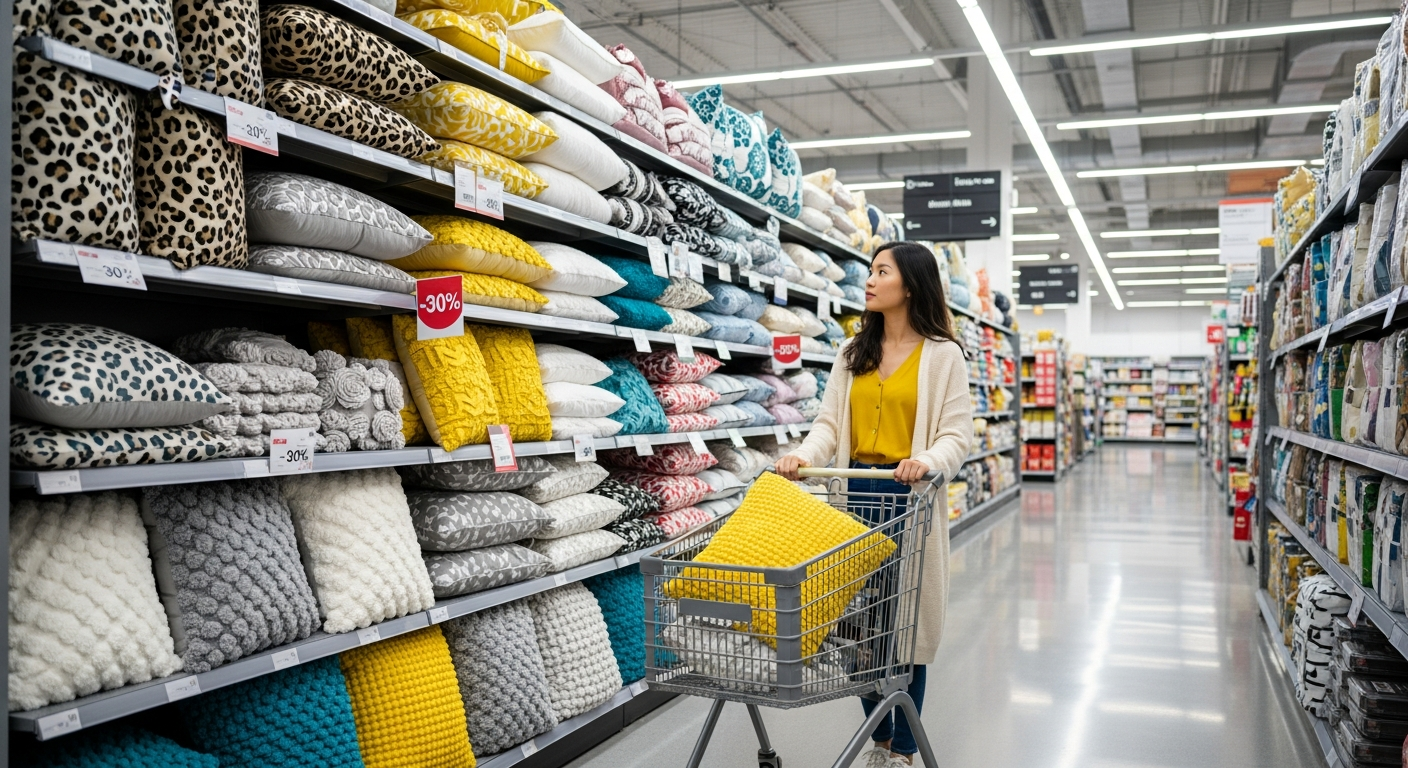
Why Furniture Retailers Are Moving Towards ERP Systems
As furniture businesses expand into multiple branches or manage higher-value inventory, operational complexity increases. Basic POS systems and spreadsheets are no longer sufficient to support daily operations or long-term growth.
An ERP system provides furniture retailers with the structure, visibility, and control needed to operate efficiently. From inventory management and consignment tracking to integrated accounting and reporting, ERP becomes the foundation for sustainable business growth.
At Goldsoft, our ERP system is designed to support retail businesses with complex operational needs, including furniture retailers managing multiple locations and large inventories. By centralizing operations into one platform, furniture businesses can focus less on manual processes and more on growing their brand and customer experience.
Ready to simplify furniture retail operations and gain better control over inventory and reporting? Goldsoft Furniture ERP system supports furniture retailers in managing complex operations through a single, centralized platform. Contact us at 03-2732 8833 or fill up the form below to schedule a demo with us.
Contact Us
Share
Recent Articles